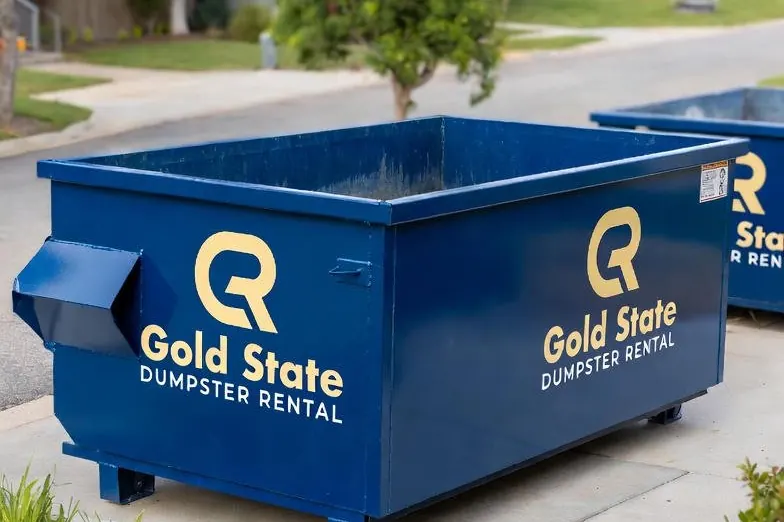
Residential dumpster rental, start to finish
Most people rent a dumpster once or twice in their lives, usually for a cleanout or a remodel. A residential dumpster rental in California is simple if you sort out three things before you call: where the bin will sit, roughly how much debris you have, and what kind of debris it is.
Where it sits. The driveway is best. It avoids street permits and keeps the bin under your control. Measure the length and width, and look up for wires and branches. The truck needs room in front of the drop spot and clearance to tilt its bed.
How much. Walk through the space and estimate. A packed two-car garage is often around 10 cubic yards of stuff. A whole-house cleanout of a three-bedroom home is often closer to 20. A kitchen remodel usually lands between 10 and 20 depending on cabinets and flooring.
What kind. Household junk is light. Tile, plaster, concrete and dirt are heavy. If your job has heavy material, put it in a smaller bin, or ask the provider about the weight allowance.
Cleanouts, move-outs and estate clear-outs
These are the most common home rentals. They are mostly light, bulky material: furniture, boxes, clothing, old appliances and garage contents. Set aside items that can be donated or sold, and keep electronics, batteries, paint and chemicals out of the bin. California treats them as hazardous or universal waste.
Remodels
Kitchen and bath remodels are heavier than cleanouts because of tile, stone and plaster. If the remodel has a building permit, CALGreen recycling rules may apply, and your city may want proof that debris was recycled. Ask the provider about weight tickets.
Neighbors and timing
Tell your neighbors before the bin arrives, especially if it narrows a shared driveway or street. Cover it when you are not loading, so it doesn't collect other people's trash, and schedule pickup soon after it is full.