
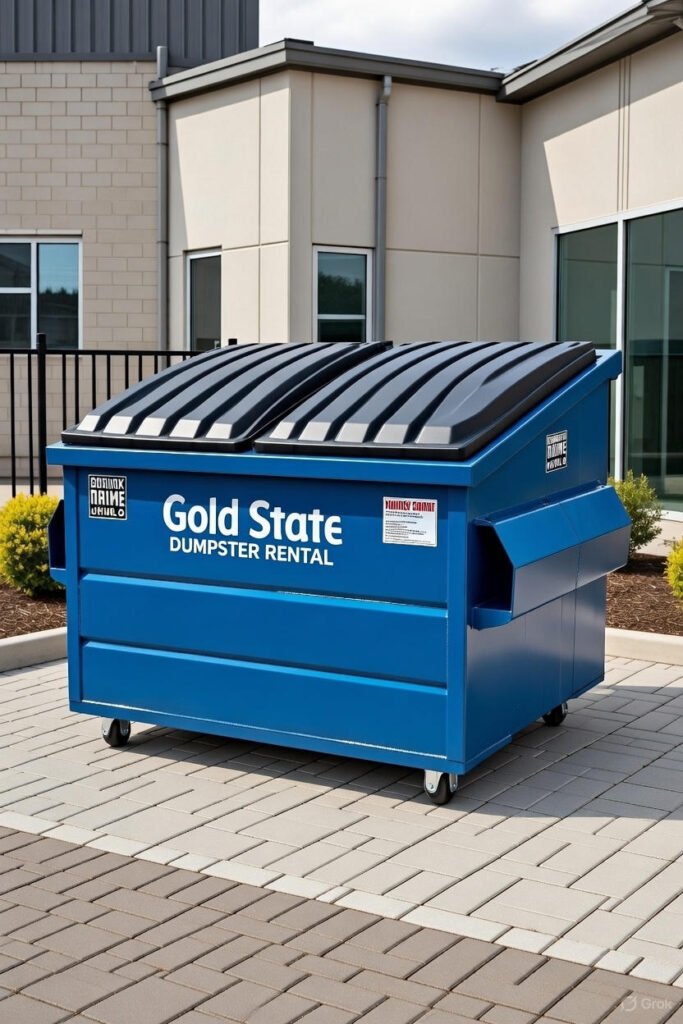
If you’re renting a dumpster for the first time, one of the most important questions to ask is: What can you put in a dumpster? While dumpsters are designed to handle a wide range of materials, not everything is allowed. Understanding what’s permitted—and what’s not—can help you avoid extra fees, delays, and compliance issues.
This guide explains what you can safely and legally dispose of in a dumpster and what materials require special handling.
Common Materials Allowed in a Dumpster
Most dumpster rentals allow general household and construction debris. These materials are commonly accepted:
Household Junk
- Furniture (couches, tables, chairs)
- Mattresses and box springs
- Clothing and textiles
- Toys and household items
- Non-electronic appliances (check first)
Construction & Renovation Debris
- Drywall
- Wood and lumber
- Flooring (carpet, tile, laminate)
- Cabinets and fixtures
- Insulation
Yard Waste
- Tree branches
- Grass clippings
- Leaves
- Bushes and brush
- Small stumps (size limitations may apply)
Roofing Materials
- Shingles
- Underlayment
- Felt paper
- Flashing
Heavy Materials: Special Considerations
Heavy debris such as concrete, asphalt, brick, and dirt may be allowed—but only in specific dumpsters designed for weight restrictions.
- Examples:
- Concrete chunks
- Bricks and masonry
- Asphalt
- Gravel
Always notify your provider before loading heavy materials to avoid overweight fees by using concrete dumpsters.
Materials Typically NOT Allowed in a Dumpster
Certain items are restricted due to environmental, safety, or regulatory reasons.
Hazardous Waste
- Paints and solvents
- Chemicals and pesticides
- Motor oil and antifreeze
- Propane tanks
- Asbestos-containing materials
Batteries & Electronics
- Car batteries
- Lithium-ion batteries
- Televisions
- Computers and monitors
- Printers
Tires
Tires are generally not allowed due to landfill restrictions.
Medical & Biohazard Waste
- Needles and syringes
- Medical waste
- Pharmaceuticals
Appliances with Refrigerants
Items such as refrigerators and air conditioners often require special disposal due to refrigerants.
Why These Items Are Restricted
- Many restricted items pose:
- Environmental risks
- Fire hazards
- Toxic exposure
- Regulatory compliance issues
Improper disposal can result in fines or rejected loads at disposal facilities.
What Happens If You Put Prohibited Items in a Dumpster?
- Placing prohibited materials in a dumpster may result in:
- Additional fees
- Delayed pickup
- Refusal of disposal
- Potential regulatory penalties
Always check before loading questionable items.
How to Dispose of Restricted Items Properly
- For items not allowed in dumpsters, consider:
- Local hazardous waste collection programs
- Recycling centers
- Electronics recycling events
- Specialty disposal services
Many California cities offer scheduled drop-off events for hazardous materials throughout California dumpster rental service areas.
Tips for Staying Compliant
- Ask for a prohibited materials list
- Separate questionable items
- Don’t mix heavy debris with light waste
- Load evenly and don’t overfill
Being informed helps ensure a smooth rental experience.
Still Have Questions?
Dumpster rules can vary based on location and landfill requirements. If you’re unsure whether an item can go into your dumpster, it’s always best to ask when booking dumpster rental services.
Get expert guidance and avoid extra fees.